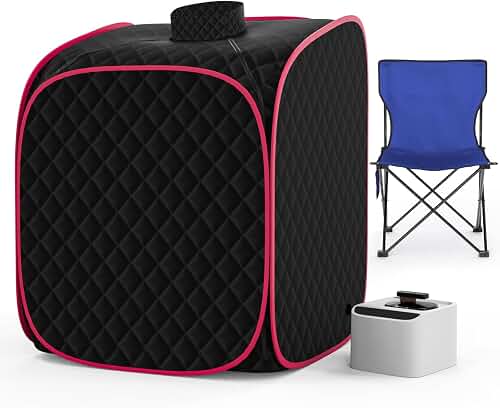
Comparison: Pinnacle Configurations and Infrared Alternatives for Off-Grid Use
| Configuration | Power Draw | Warm-Up | Best For | Solar Array Needed |
|---|---|---|---|---|
| Pinnacle, Electric 6 kW | 6000 W @ 240V | 40–50 min | Cabins with robust solar + lithium | 10 kW+ array, 15 kWh battery |
| Pinnacle, Electric 8 kW | 8000 W @ 240V | 30–40 min | Larger groups, premium builds | 12 kW+ array, 20 kWh battery |
| Pinnacle, Wood-Fired M3 | 0 W electrical | 40–50 min | Remote cabins, minimal solar | None — wood only |
| 4-Person Infrared Cabin | 2400 W @ 240V | 10–15 min | Off-grid cabins with modest solar | 3–5 kW array, 5 kWh battery |
| 2-Person Infrared Cabin | 1800 W @ 120V | 10–15 min | Smallest cabins, minimal upgrades | 2 kW array, 3 kWh battery |
If you are weighing the almost heaven pinnacle for solar powered off grid log cabins, the short answer is this: the Pinnacle is a beautifully built 4-person traditional Nordic-style sauna from Almost Heaven Saunas, but it draws a 6 kW 240V heater that will tax most residential off-grid solar arrays. It can absolutely work in a remote log cabin, but only if your photovoltaic system, battery bank, and inverter are sized for the load — or if you pair it with a wood-burning heater option. For many cabin owners running a modest 5–10 kW array, an infrared sauna is a more realistic companion to the Pinnacle's cabinetry. This guide walks through power math, heater choices, wiring, and infrared alternatives so you can plan a 2026 cabin build with confidence.
Why the Almost Heaven Pinnacle Attracts Off-Grid Cabin Owners
The Pinnacle's appeal in a log cabin context is hard to overstate. It is built from rustic Nordic white spruce, ships as a precut kit that two people can assemble in a weekend, and uses tongue-and-groove construction that complements a hand-hewn or chinked log interior. The footprint is roughly 6 feet by 5 feet, the ceiling sits at a comfortable 7 feet, and the L-shaped bench layout seats four adults without crowding. Almost Heaven has been producing cedar and spruce saunas in the Appalachian foothills for years, and the Pinnacle sits in the middle of their cabin-sauna lineup — large enough to feel social, small enough to heat without an industrial power supply.
For homesteaders and remote-cabin owners, the Pinnacle's biggest selling point is heater flexibility. Almost Heaven offers the Pinnacle with either an electric Huum or Harvia heater or a Harvia M3 wood-burning stove. That second option is the real key to making an almost heaven pinnacle for solar powered off grid log cabins setup actually pencil out, because wood heat removes the sauna entirely from your electrical budget.
When shopping for almost heaven pinnacle for solar powered off grid log cabins, it pays to compare specs, capacity, and real-world runtime before committing.
The Power Math: Can Solar Realistically Run a 6 kW Sauna Heater?
A traditional sauna heater is one of the largest residential electrical loads a homeowner will ever install — comparable to an electric water heater or a clothes dryer running at full tilt. The Pinnacle's standard electric heaters are typically 6 kW or 8 kW, both requiring a 240V circuit and pulling 25 to 33 amps continuously for 30 to 60 minutes during warm-up, then cycling at a lower duty rate to maintain temperature.
Run the numbers for a typical session: a 6 kW heater at full warm-up for 45 minutes consumes about 4.5 kWh, and a full 90-minute session with maintenance cycling will land somewhere between 6 and 9 kWh. For comparison, a 10 kW rooftop solar array in a cabin-friendly latitude produces roughly 35 to 45 kWh on a sunny day in June, but only 10 to 18 kWh on a cloudy December day. The sauna session itself is feasible, but only if your battery bank can deliver 25 to 33 amps continuously through the inverter without sagging, which means a quality 48V lithium bank of at least 15 kWh paired with a 10 kW continuous (and ideally 15 kW surge) inverter.
If your off-grid system is a more modest 5 kW array with 10 kWh of batteries — common for hunting cabins and small homesteads — a 6 kW electric Pinnacle will run your bank flat after a single session, leaving nothing for the well pump, fridge, or evening lights. In that scenario, the wood-fired Harvia M3 configuration is the only sensible path forward.
Wood-Fired vs Electric Pinnacle for Off-Grid Cabins
The wood-fired Pinnacle is purpose-built for the kind of cabin where the closest power pole is miles away. The Harvia M3 stove burns 4 to 6 split logs per session, heats the room to 170–195°F in about 45 minutes, and produces an authentic Scandinavian löyly when you ladle water over the stones. There is no inverter, no battery sag, and no winter daylight equation to solve. The only practical concern is a Class A chimney penetration through your cabin roof, which adds roughly $400–$800 in materials and a half-day of careful work.
The electric Pinnacle, by contrast, gives you push-button convenience and the option of a Wi-Fi-enabled Huum Drop controller that lets you preheat the sauna from the porch. That is genuinely lovely on a 10°F February morning — but only if your solar system can carry the load. If you are still designing the cabin's electrical system, sizing the array and battery bank around the sauna is a legitimate strategy; the marginal cost of an additional 5 kW of panels and another 10 kWh of LiFePO4 storage is often less than the lifetime hassle of feeding a wood stove.
Why Many Off-Grid Cabin Owners Choose Infrared Instead
Here is where the conversation shifts. Infrared saunas use carbon or ceramic heating panels that radiate energy directly to the body rather than heating the air to 180°F. A typical 2-person infrared cabin pulls 1500 to 1800 watts on a standard 120V/15A circuit. A 4-person unit runs around 2400 watts. Compared to a traditional Pinnacle's 6 kW draw, that is a 60–75% reduction in electrical demand, and the warm-up time drops from 45 minutes to 10–15 minutes.
For a solar-powered cabin, those numbers transform the equation. A 1800-watt infrared session lasting 40 minutes consumes only 1.2 kWh — well within the daily harvest of even a modest 3 kW array. Many cabin owners pair the Almost Heaven Pinnacle cabinetry concept (or a similar log-aesthetic shell) with an infrared interior, getting the visual character of a traditional sauna with the power profile of a hair dryer. If you are open to this approach, our infrared sauna buying guide walks through the panel types, EMF considerations, and sizing decisions that matter most for cabin installations.
Picking the Right Pinnacle Heater for Your Cabin
If you are committed to the traditional Almost Heaven Pinnacle and the cabin is your forever home, build the solar system to match the sauna rather than the other way around. A 12 kW array with two 48V 15 kWh lithium batteries and a Sol-Ark 15K hybrid inverter will run the 6 kW heater comfortably, leave plenty of capacity for everything else, and provide three to four days of autonomy in cloudy weather. The all-in cost is real — typically $35,000 to $50,000 installed — but it is a once-and-done investment.
If the cabin is a weekend retreat, a hunting camp, or you are still in the early design phase with budget constraints, the wood-fired Pinnacle is the pragmatic choice. It runs forever on dead-fall, requires zero electrical infrastructure, and the ritual of building the fire is half the reason people install a sauna in a remote cabin to begin with.
The Infrared Hybrid Approach
A growing number of off-grid cabin owners install both: a wood-fired Pinnacle in an outbuilding for traditional sessions, and a smaller infrared cabin inside the main cabin for quick, low-power daily use. This pairing covers every use case. The infrared unit handles 80% of sessions on a 20-minute timer, and the wood-fired Pinnacle becomes the weekend ritual. If you want to understand how the two heat types actually feel and what each delivers physiologically, our overview of far, near, and full-spectrum infrared is a good starting point.
Installation Considerations for Log Cabin Settings
Whether you choose electric or wood-fired, log cabin installation introduces wrinkles that suburban basements do not. Log walls shrink as they cure, particularly in the first three years, so the Pinnacle's pre-cut panels need a small expansion gap at the top — about 1.5 inches under a fresh log ceiling, less if the cabin is more than five years old. The floor needs to be level within a quarter inch over the 6×5 footprint, which can be a challenge on a pier-and-beam cabin floor that has settled unevenly.
Ventilation matters more in a tightly chinked log cabin than in stick-built construction. The Pinnacle relies on an intake vent under the heater and an exhaust vent on the opposite wall near the ceiling. In a log cabin, those vents may need to penetrate a log course, which means drilling carefully between courses or using a specialized log-wall vent kit. For broader installation guidance that applies to either heat type, see our walkthrough of how to install a home sauna.
Budgeting the Full Off-Grid Sauna Build
A realistic 2026 budget for an almost heaven pinnacle for solar powered off grid log cabins project breaks down roughly as follows. The Pinnacle kit itself runs $5,500 to $7,800 depending on heater choice. A wood-fired Harvia M3 adds about $900 plus $500 for chimney materials. An electric 6 kW heater is included in many bundles. Solar upgrades to support an electric heater — additional panels, batteries, and inverter capacity — typically add $15,000 to $25,000 if you do not already have an adequate system. Site prep, foundation, and ventilation work add another $1,500 to $3,500. For a deeper look at how sauna pricing scales across categories, our sauna cost guide breaks down where the money actually goes.
Frequently Asked Questions
Can the Almost Heaven Pinnacle run on a small 5 kW off-grid solar system?
Only the wood-fired version. The electric Pinnacle's 6 kW heater would draw more than your inverter's continuous rating in most 5 kW systems and would deplete a 10 kWh battery bank during a single session. Choose the Harvia M3 wood-fired option for cabins with modest solar.
How long does the Pinnacle take to heat up in a cold log cabin?
In a well-insulated log cabin at 50°F ambient, expect 40 to 50 minutes for the electric 6 kW heater to reach 180°F. The wood-fired M3 takes slightly longer — 50 to 60 minutes — but produces a more humid, traditional löyly when you ladle water on the stones.
Is the Pinnacle better than an infrared sauna for an off-grid cabin?
It depends on your priorities. The Pinnacle delivers an authentic traditional sauna experience at 180°F with high humidity, ideal for cold climates and group use. Infrared draws far less power, heats up in 10–15 minutes, and operates on a standard 120V circuit — far easier to power from solar. Many cabin owners install both.
Do I need a permit for a wood-fired sauna in a remote cabin?
Most counties require a building permit for any structure with a wood-burning appliance, even on rural property. Chimney height, clearance to combustibles, and spark arrestor requirements are all code-driven. Check with your local building department before purchasing the Harvia M3 chimney kit.
What size battery bank do I need for an electric Almost Heaven Pinnacle?
Plan for at least 15 kWh of LiFePO4 storage at 48V for occasional sauna use, and 20–25 kWh if you sauna more than three times per week. The inverter must support 6 kW continuous output with at least 8 kW surge capacity.
Can I install the Pinnacle outdoors next to my log cabin?
Yes — Almost Heaven offers outdoor packages with weatherproofed roofing and exterior trim. For solar-powered cabins, an outdoor sauna eliminates ventilation complications and lets you run a wood-fired stove without modifying your main cabin's roof.
What is the EMF level inside the Pinnacle compared to infrared options?
A traditional electric Pinnacle generates low EMF because the heating element is resistive and the user sits well away from it. Infrared saunas place panels directly behind the user, so EMF levels vary by brand. If EMF matters to you, our roundup of the best low-EMF infrared saunas covers the third-party-tested options worth considering.
Key Takeaways
- Choosing the right almost heaven pinnacle for solar powered off grid log cabins means matching the key features to your specific needs and budget
- Read real customer reviews and check the return policy before you commit
- Also covers: almost heaven pinnacle off grid setup
- Also covers: pinnacle sauna solar inverter requirements
- Also covers: almost heaven log cabin sauna
- Compare value across models — the priciest option is not always the best fit