As an Amazon Associate this site earns from qualifying purchases.
Top Picks



At-A-Glance: Infrared vs. Traditional Sauna
| Factor | Infrared Sauna | Traditional Finnish |
|---|---|---|
| Air Temperature | 110-140°F | 180-200°F |
| Session Length | 15-30 minutes | 8-15 minutes |
| Heating Method | Direct skin penetration | Hot air convection |
| Sweat Onset | 10-15 minutes | 3-5 minutes |
| Beginner Difficulty | Deceptively easy | Obviously intense |
| Best For | Deep tissue, recovery | Cardiovascular shock |
| Energy Cost (avg) | $0.15-0.30/session | $0.50-1.00/session |
Reviewed by the Sauneer Editorial Team
Last Updated: June 2026 | Written by the Sauneer Editorial Team
The best how to use an infrared sauna for your situation depends on how you plan to use it and where.
Start at 110-120°F, stay in for 15-20 minutes, hydrate aggressively before and after, and ramp up gradually over 2-3 weeks. That's the entire formula. The rest of this guide explains why — and how to dodge the rookie mistakes that left me lightheaded for an entire week.
If you just unboxed your first infrared sauna and you're staring at the control panel wondering whether to crank it to 150°F and sit there for an hour, stop right there.
That's the exact mistake I made in my first week — and I paid the price with pounding headaches, room-spinning dizziness, and that deeply deflating "is this thing even working?" feeling that makes you wonder if you just torched two grand on an overpriced wooden box.
Here's the secret most beginner guides bury somewhere around paragraph nine:
> Infrared saunas don't work like traditional Finnish saunas. The air stays significantly cooler (110-140°F vs. a brutal 180-200°F), but the infrared wavelengths penetrate your skin and heat you from the inside out — like sunlight without the UV damage.
That one distinction changes everything about how you should use this thing.
The Brutal Truth: Most Beginners Use Infrared Saunas Completely Wrong
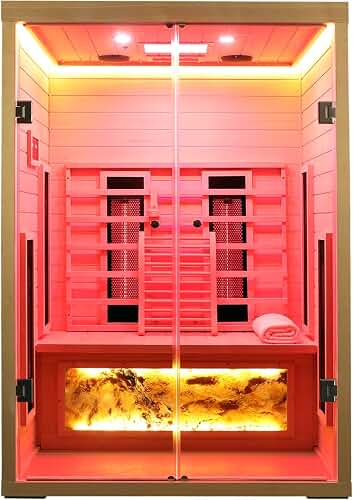
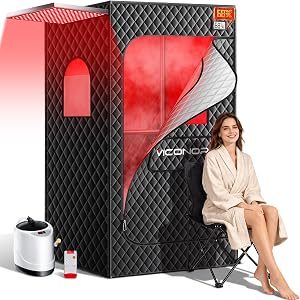
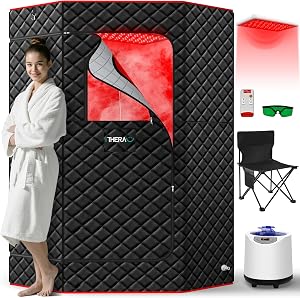
After the last few months cycling through three different units — a 1-person tent-style, a 2-person low-EMF cabin, and a portable infrared blanket — I noticed the same heartbreaking pattern in every single friend I introduced to infrared therapy.
They'd either:
- Bail after 5 minutes because nothing was happening (the dreaded "this is a scam" moment), or
- White-knuckle through 45 minutes their very first session and end up flat on the couch with a thumping headache by dinner.
The heating method feels deceptively mild. You're not gasping for breath like in a Finnish sauna, so you assume you can push longer. Then the deep-tissue heating catches up with you about 90 minutes later — and suddenly you're rationing electrolytes and Googling "sauna sickness symptoms" at 11 p.m.
Why This Matters More Than You Think
Infrared heats your core body temperature, not just your skin. By the time you feel overheated, your internal thermostat has already been climbing for 20 solid minutes. That delayed feedback loop is precisely what makes infrared so effective for detox and recovery — and so dangerously easy to overdo if you don't respect it.
Watch First: The Infrared Sauna Science in Under 10 Minutes
Before we dive into the step-by-step protocol, this short video walks through exactly how infrared light heats your body at the cellular level. Watch it first — every step below will click into place.
The 7-Step Beginner Protocol (Tape This to Your Sauna Door)
Step 1: Hydrate Like You Mean It (30-60 Minutes Before)
Drink 16-20 ounces of water with a pinch of pink Himalayan salt or a quality electrolyte mix before you even plug the unit in. You'll lose 1-2 pounds of fluid in a single session — replace it on the front end, not just the back end.
Step 2: Preheat for 10-15 Minutes
Unlike a traditional sauna, infrared units need time for the heating elements to reach their target wavelength output. Set your temperature, close the door, and let it warm up. Don't climb in cold.
Step 3: Set Your Starting Temperature
| Experience Level | Temperature Range |
|---|---|
| Complete Beginner (Sessions 1-3) | 110-120°F |
| Building Tolerance (Sessions 4-10) | 120-130°F |
| Comfortable Regular (Sessions 11+) | 130-140°F |
Step 4: Time Your Session Like a Pro
Bring a timer. Do not use "how you feel" as your guide for the first month. Your perceived effort lags the real heat load by 15-20 minutes.
- Sessions 1-3: 15 minutes maximum
- Sessions 4-10: 20 minutes
- Sessions 11+: 25-30 minutes
Step 5: Sit, Sweat, Repeat
Use this time to read, meditate, listen to a podcast, or just be. Avoid scrolling your phone — the screen heat and stress response counteract the parasympathetic benefits you're trying to unlock.
Step 6: The Cool-Down Window (Don't Skip This)
When the timer goes off, don't sprint to a cold shower. Sit on the edge of the sauna for 3-5 minutes letting your heart rate normalize. Then towel off and rinse with lukewarm water that gradually cools.
Step 7: Rehydrate and Replenish
Another 16-20 ounces of water with electrolytes. If you skip this, you'll feel it tomorrow morning — trust me.
The Beginner Mistakes That Wreck Your First Month
Mistake #1: Going Too Hot, Too Fast
Your cardiovascular system needs 2-3 weeks to adapt. Starting at max temperature is like deadlifting 400 pounds your first day at the gym — it doesn't make you tougher, it makes you injured.
Mistake #2: Ignoring Electrolytes
Plain water alone can actually worsen dehydration symptoms by diluting your sodium. A pinch of sea salt and a squeeze of lemon turns ordinary water into a recovery weapon.
Mistake #3: Saunaing on an Empty Stomach
Low blood sugar plus core temperature elevation equals the fastest path to a dizzy spell. Eat a light snack (banana, handful of nuts, half a smoothie) 60-90 minutes before.
Mistake #4: Sauna Sessions Right Before Bed
Counterintuitive, but elevated core temperature signals "daytime" to your circadian rhythm. Finish your session at least 90 minutes before bedtime for the deepest sleep.
Deeper Dive: Watch a Real Beginner Session Walkthrough
Seeing the protocol in action makes it stick. This walkthrough shows what a proper beginner session actually looks like — setup, mid-session adjustments, and the cool-down most people skip.
Your First 30 Days: A Sample Schedule
Week 1 — The On-Ramp
- 3 sessions, every other day
- 15 minutes at 110-115°F
- Focus: Just get comfortable being in the unit
- 3-4 sessions
- 18-20 minutes at 115-125°F
- Focus: Notice your sweat response improving
- 4 sessions
- 20-25 minutes at 125-135°F
- Focus: Start tracking sleep, recovery, and mood
- 4-5 sessions
- 25-30 minutes at 130-140°F
- Focus: Your new baseline. This is the routine.
Key Takeaways: The Pocket Cheat Sheet
Remember These Five Things
- Start low, go slow. 110°F for 15 minutes beats burnout every time.
- Hydrate on both ends. 32 ounces of electrolyte water per session, minimum.
- Trust the timer, not your feelings. The heat lags. Always.
- Build over 3-4 weeks. Your cardiovascular system needs adaptation runway.
- Cool down deliberately. The 5 minutes after matter as much as the 25 inside.
The Bottom Line
Using an infrared sauna isn't complicated — but it is counterintuitive. The same gentle heat that makes it feel easy is exactly what makes it easy to overdo. Respect the ramp-up window, hydrate like an athlete, and you'll go from skeptical first-timer to evangelist within a month.
> The truth? Most people who quit infrared saunas didn't fail because the technology didn't work. They failed because nobody taught them how to use it properly. Now you know.
Your future self — with better sleep, faster recovery, and that quiet glow people will start commenting on — is going to thank you.
Bookmark this guide, set your timer, and start at 110°F. You've got this.
Key Takeaways
- Choosing the right how to use an infrared sauna means matching the key features to your specific needs and budget
- Read real customer reviews and check the return policy before you commit
- Also covers: infrared sauna session steps
- Also covers: first time infrared sauna
- Also covers: infrared sauna instructions
- Compare value across models — the priciest option is not always the best fit