Signature II vs. Other Common Contrast Pairings
Most home contrast setups pair one of four sauna types with a plunge. Here’s how they stack up specifically for contrast work, not for general sweat sessions:
| Sauna Type | Max Temp | Re-Heat Speed | EMF Profile | Contrast Suitability |
|---|---|---|---|---|
| Sunlighten Signature II (full-spectrum cabin) | 150°F | Fast (6–10 min) | Very low | Excellent — the reference setup |
| Far-infrared-only premium cabin | 140°F | Moderate | Low | Good, but surface heating is slower |
| Budget basswood cabin | 130–140°F | Slow (15–20 min) | Variable | Marginal — struggles to recover between rounds |
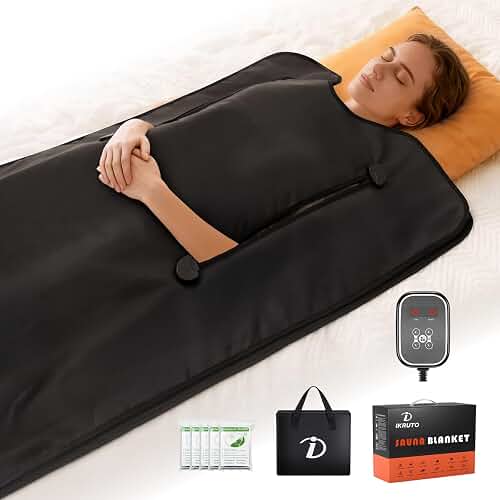
| Infrared sauna blanket | ~158°F surface | Fast | Low to moderate | Poor for contrast — you can’t plunge in it |
| Traditional Finnish sauna | 180°F+ | Slow | None | Excellent if you have the space and 240V circuit |
The Sunlighten Signature II for cold plunge contrast therapy is one of the most popular pairings in the modern recovery-stack conversation, and for good reason. The Signature II is a full-spectrum cabin sauna that hits the deep thermal range contrast therapy actually needs, with low-EMF heaters, a steady 140–150°F operating window, and a footprint that fits next to most home plunges. In short: it warms your core fast enough to make the cold side worthwhile, recovers temperature quickly between rounds, and keeps EMF exposure low while you sit shoulder-to-knee in the heat.
Below you’ll find a 2026 buyer’s framework for using the Signature II in a contrast routine, what to look for in a sauna designed to pair with cold immersion, plus a comparison of the categories of saunas that compete for this same job. We’ll cover wiring, heat-up time, session structure, and the small details (bench depth, glass area, heater coverage) that decide whether your contrast practice feels punishing or restorative.
Why the Signature II Pairs So Well with Cold Plunges
Contrast therapy — alternating hot and cold exposure — only works if both sides of the contrast are intense enough to trigger a real vasomotor response. A lukewarm sauna paired with an ice bath gives you a cold shock with no thermal preload. The Signature II solves this with three things contrast practitioners care about:
- Full-spectrum heaters. Near, mid, and far-infrared on independently controllable emitters means you can preheat with far-infrared and finish hot rounds with mid/near to push surface temperature before the plunge.
- Low EMF and low ELF. Independent third-party tests on the Sunlighten Solocarbon heaters routinely report sub-3 mG at the bench — important when you’re doing 3–4 long rounds, not a 15-minute sit.
- Recovery speed. The 360-degree heater coverage and reflective interior bring the cabin back to setpoint within roughly 6–10 minutes after a door opening, which matters when you re-enter cold and wet between plunges.
If you’re still narrowing down whether a full-spectrum cabin is the right format for you, our far vs. near vs. full-spectrum infrared sauna guide walks through which wavelengths actually drive sweat versus which drive surface heating — both matter for contrast work.
What to Look for in a Sauna Built for Contrast Therapy
Not every premium infrared cabin is a good contrast partner. Here’s the checklist we apply when evaluating the Sunlighten Signature II for cold plunge contrast therapy — and any competitor that wants to play the same role:
1. Operating Ceiling of at Least 150°F
Cold plunges are typically 38–55°F. To make the delta meaningful, the sauna side has to comfortably hold 145°F or better at the bench, not just at the ceiling sensor. The Signature II is rated to 150°F and, with full-spectrum on, sustains that without the heaters cycling down.
2. Heater Placement at Calf, Lower-Back, and Front
Cold plunges chill the legs first. A sauna with only back and ceiling heaters leaves cold pockets at the calves that take an extra round to clear. The Signature II includes front and calf heaters, which is the main reason contrast users gravitate to it over rear-only cabinets.
3. Quick Re-Heat Cycle
You will open the door wet, dripping, and several times per session. A cabin that takes 20+ minutes to recover its setpoint forces you to either cut hot rounds short or wait out the recovery between plunges. Look for sub-15-minute warmup from cold and sub-10-minute recovery between rounds.
4. Drainable Floor and Sealed Wood
If you walk into infrared straight from a plunge, you’ll bring water with you. Cabins that lack any drainage or use unsealed basswood floors swell over time. The Signature II uses sealed Mukula or Eucalyptus and includes a removable floor heater — a small but real advantage.
5. Low EMF for Long Sessions
Contrast routines run 45–75 minutes, much longer than a one-and-done sit. Heater EMF matters more proportionally. If you’re evaluating other brands too, our roundup of the best low EMF infrared saunas shows how Sunlighten compares to Clearlight, Sun Home, and JNH on heater-level emissions.
How to Structure a Sunlighten + Plunge Contrast Session
If you’ve invested in a premium cabin and a plunge, you owe yourself a routine that actually uses both. Here’s the structure most experienced contrast practitioners settle into after a few months:
Preheat: 15–20 Minutes
Set the Signature II to 145°F on full-spectrum. Don’t skip this — entering a 130°F cabin for round one undercuts the entire session. Use this time to drink 16–20 oz of electrolyte water.
Round 1: 15–20 Minutes Hot
First round is the longest. Goal is to reach a meaningful sweat and elevate core temperature a full degree. You should feel reluctant to leave the cabin when the timer goes — that’s the cue you’re ready for cold.
Plunge 1: 2–3 Minutes Cold
Walk directly to the plunge. Submerge to shoulders. Breathe long, controlled exhales. Exit before shivering starts.
Rounds 2–4: 10–12 Minutes Hot / 1–3 Minutes Cold
Shorter hot rounds, equally cold plunges. The sauna should be back at setpoint each time you re-enter, which is where the Signature II’s recovery speed pays off.
Finish: Cold
Always end on cold for the noradrenaline tail and the dopamine response. Air dry for 5–10 minutes before showering.
For frequency guidance — how many contrast sessions per week without overtraining the nervous system — see how often should you use an infrared sauna.
Setup Considerations Before You Buy
Electrical Requirements
The Sunlighten Signature II in 1- and 2-person configurations runs on standard 120V/15A circuits. The 3-person and larger versions require a dedicated 20A circuit. If your plunge is also on the same circuit, you will trip the breaker — plunges draw heavily during chiller cycles. Plan for two separate circuits before delivery.
Floor and Drainage
Place the sauna on a sealed surface within 6–8 feet of the plunge but not directly adjacent — you want a drip path between them. Vinyl flooring or epoxy-sealed concrete handles the splash zone best.
Ventilation
Contrast sessions release more moisture into the room than dry sauna sits. Your sauna room needs either a window, an exhaust fan, or a dehumidifier rated for the cubic footage. Skipping this is the most common cause of premature wood discoloration.
Common Mistakes to Avoid
We see the same three mistakes repeatedly with first-time contrast users running a Signature II:
- Going too cold, too fast. If your plunge is below 45°F and you’ve never trained the response, start at 50–55°F for the first two weeks.
- Skipping the preheat. Entering a half-warm cabin means round one is wasted and you don’t sweat until round two.
- Eating immediately before. Heat-then-cold on a full stomach is the fastest route to feeling lightheaded.
For a broader pre-purchase sanity check, our infrared sauna buying mistakes to avoid covers electrical, sizing, and warranty traps that apply to nearly every brand at this tier.
Is the Signature II Worth It for Contrast Specifically?
If your only use case is occasional dry sweats, the Signature II is overkill. But for a contrast practice — four-round sessions, three to five times a week, paired with a real cold plunge — the things you pay for (full-spectrum heaters, 360-degree coverage, low EMF, sealed sustainable wood, fast recovery) translate directly into a better routine. Cheaper cabins force you to compromise on round length or temperature; the Signature II doesn’t.
The honest comparison: a Sunlighten Signature II for cold plunge contrast therapy gives you a 10–15 year unit that handles 250+ contrast sessions per year without performance loss. Spread over its lifespan, the cost-per-session math is favorable, and resale value on used Sunlightens stays strong in the contrast-therapy community.
Frequently Asked Questions
How long should I sit in a Sunlighten Signature II before plunging?
For contrast therapy specifically, 15–20 minutes in the first round and 10–12 minutes in subsequent rounds. The signal isn’t time on the clock — it’s a sustained, sheet-of-sweat response, which on the Signature II typically arrives at minute 12–15 of round one. Plunging before that defeats the vasodilation/vasoconstriction loop that drives the recovery benefits.
Can I use the Sunlighten Signature II right after a cold plunge?
Yes, and you should — that’s the cold-to-hot half of contrast. Step in dripping; the cabin’s sealed wood and floor heater handle the moisture. Just towel-dry the bench before sitting to avoid trapping water under your skin.
Does the Signature II’s EMF level matter for long contrast sessions?
It matters more than for short single sits because you’re in the cabin 45–60 minutes total. Sunlighten’s Solocarbon heaters test at sub-3 mG at bench height, which is among the lowest in full-spectrum cabins. If you compare against the broader category in our best low EMF infrared saunas roundup, the Signature II sits in the top tier.
How does the Signature II compare to a Clearlight Sanctuary for contrast?
Both are excellent. Clearlight runs slightly hotter at the ceiling sensor; Sunlighten distributes heat more evenly at bench level. For contrast specifically, even distribution wins because cold plunges chill your legs first and you want calf-level heat fast. Our Sunlighten vs. Clearlight comparison breaks down the spec-sheet differences in detail.
What temperature should the cold plunge be for Signature II contrast routines?
50–55°F for beginners, 42–48°F for intermediate, sub-42°F only if you’re experienced and your breath control is solid. The Signature II’s 145°F bench temperature gives you roughly a 95–100°F delta — plenty of contrast at any of those plunge ranges.
Do I need 240V for the Signature II?
No. The 1-person and 2-person Signature II versions run on standard 120V/15A. The 3-person and larger sizes require a dedicated 120V/20A circuit. Critically, your cold plunge chiller should be on a separate circuit — running both on shared wiring trips breakers during chiller cycles mid-session.
How many contrast sessions per week with the Signature II?
Three to five sessions weekly is the sweet spot for most people. Daily contrast can over-recruit the sympathetic nervous system if cold rounds are long. If you’re using the sauna alone (no plunge) on off days, that’s fine — it’s the cold side that drives the recovery cost, not the heat.
Key Takeaways
- Choosing the right Sunlighten Signature II for cold plunge contrast therapy means matching the key features to your specific needs and budget
- Read real customer reviews and check the return policy before you commit
- Also covers: Signature II hot cold contrast protocol
- Also covers: Sunlighten sauna cold plunge stack
- Also covers: Signature II ice bath rotation timing
- Compare value across models — the priciest option is not always the best fit